Are We Nudging… or Just Getting Better at Manipulation?
I am always thinking about behaviour… drives me a little mad sometimes!
In my previous article, I explored the idea that we already had the tools to influence behaviour at scale. Retail has mastered it. The question I keep coming back to is what happens when we take those same tools and apply them beyond profit. Because if we are honest, the way we drive consumption today is not sustainable. Not for people, not for systems, and not for the environments we depend on. So then the question becomes… what if we used that same influence to drive something better?
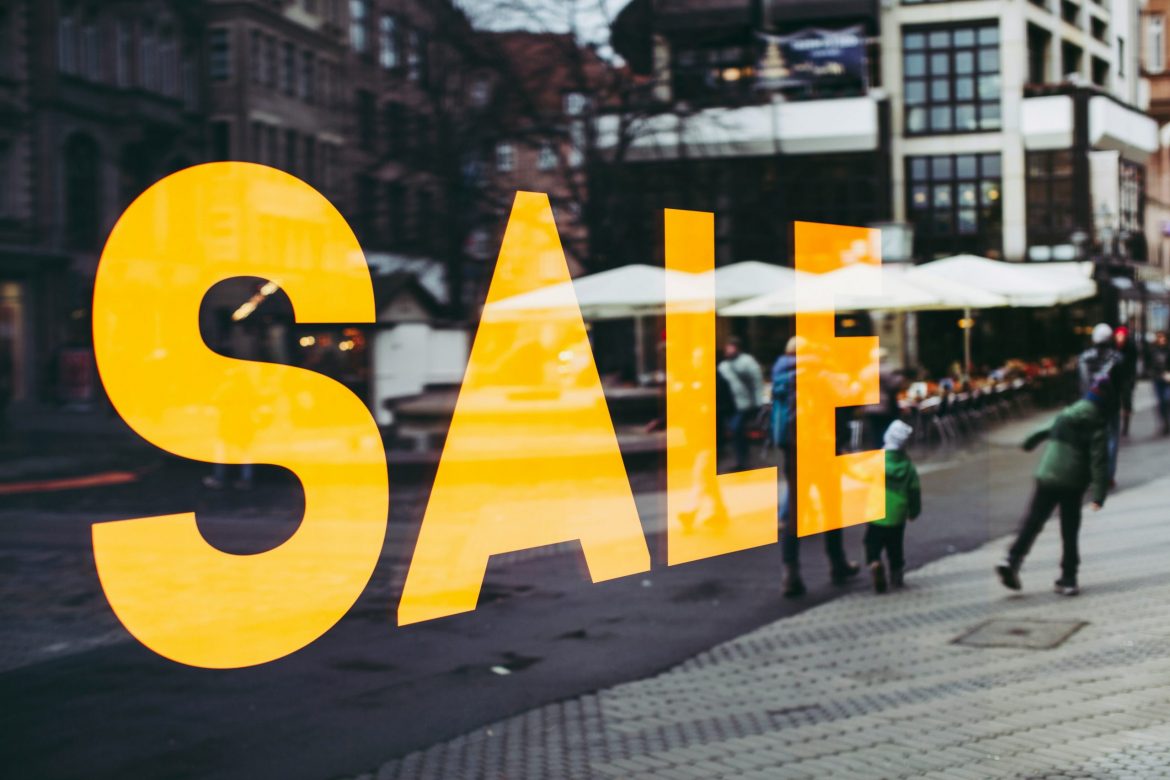
I walked into a fashion store the other day. I love stores. I go occasionally, not just to buy, but to see what is out there. I looked at the colours. The Winter line-up. It was okay, very wintery. Dark colours, warm clothing… very wintery… but nothing stood out, it was not me. Not my style. Nothing really pulled me in. And yet, I knew I would probably come back at some point and buy something. Not because I loved it, but because I would need it.
And that is where the question started. Who decided this is what we should be wearing?
Who decides what gets made, what gets put in front of us, what becomes “in”? Do we actually have a say in what we wear, or are we simply choosing from what we are given and calling it preference? If we are choosing from what we are given… is that still a choice? That moment stayed with me, because it is not just about fashion. It is about influence. Because the truth is, nudging and manipulation are not opposites. They sit on the same line. Both use what we know about human behaviour to move people toward a decision they might not have made on their own. The tools are the same. The difference is in the intent, the transparency, and who ultimately benefits. If we are serious about using these tools beyond retail, then we have to be just as serious about where that line sits. Personally, I don’t think the real question is whether we are nudging or manipulating.
I think the real question is: who are we doing this for, and at what cost? Because it is very easy to convince yourself that you are helping people when, in reality, you are just getting better at influencing them. And those are not the same thing.
There are three questions I keep coming back to. Not as a checklist. Not as a framework on a slide. But as something I have to sit with, especially when the answer is not comfortable.
1. Who decided what “better” looks like?
This sounds simple, but it is not. Because “better” is rarely neutral. When we design for behaviour change, we are deciding what the outcome should be. Save more. Spend differently. Eat this. Choose that. Come back. Engage. Convert. But whose definition of “better” is that?
Is it something the person would genuinely choose for themselves if they had the time, the information, and the space to reflect? Or is it something we have defined for them, shaped by targets, revenue, performance, or what we need to move? And even when it sounds like it is in their interest, have we actually tested that? Or have we assumed alignment because it is convenient?
The moment “better” is defined without the person fully in the picture, something shifts. We move from supporting decisions… to making them on someone’s behalf. And that is a much bigger responsibility than we often acknowledge.
2. Are we protecting their ability to choose?
We talk a lot about choice. But we don’t always design for it. Because choice is not just about what exists. It is about what is visible. What is easy. What is frictionless. What is overwhelming. What feels safe. What feels urgent. You can technically offer options and still design an environment where only one of them feels realistically possible.
You can:
- Bury alternatives in complexity
- Create urgency that overrides reflection
- Design defaults that most people will never question
- Use language that nudges emotion before thought has a chance to catch up
And when that happens, choice becomes something theoretical.
So the question I sit with is not: Is there a choice?
It is: Can someone meaningfully choose differently, or have we made that too difficult?
Because if we have, then we are not just guiding behaviour. We are quietly engineering outcomes.
3. Would I still be comfortable if this was fully visible?
This is the one I struggle with the most. So much of what we do is designed to work without being fully seen. The timing of a message. The framing of an offer. The trigger based on past behaviour. The moment someone is most likely to act without overthinking. Individually, these are smart decisions. Collectively, they are powerful.
So I ask myself:
If someone could see all of it, clearly, in plain language… not in a policy document, not in technical terms… Would I still feel comfortable? Would I be able to say:
“We designed it this way because we wanted you to do this, at this moment, for this reason”?
And more importantly… would they feel okay with that? Because ethical influence should not rely on being hidden. If it only works because it is not fully understood, then we need to question what we have built.
And it is now everywhere. Even in places positioned as helpful. My car insurance has started nudging me to change how I drive. It tracks behaviour, sends feedback, offers small incentives to “drive better”. On the surface, it sounds like a good thing. Better driving, less accidents. But, it feels off. Driving is not just data. Context matters. Reality matters. And the incentive is not meaningful enough to drive real change, but just enough to feel like I am being monitored and managed. It feels intrusive. And that is where this becomes bigger than retail. Because if we take these same systems of influence and apply them to savings, to health, to sustainability, we do not just scale impact. We also scale responsibility.
Which brings me back to the question I cannot shake:
At what point are we helping… and at what point are we manipulating?
At what point do we move from guiding behaviour to quietly controlling it?
And more importantly… How many of our decisions are actually our own?
Once you understand how behaviour is shaped, you can’t unknow it. And you don’t get to pretend you’re not shaping it too.
#BehaviourChange #CustomerValueManagement #EthicalDesign #Sustainability #ConsumerBehaviour #DigitalEthics#LeadershipThinking #RetailStrategy #ImpactDriven #SaltedGrove


Leave a Reply